Wednesday, 28 August 2024

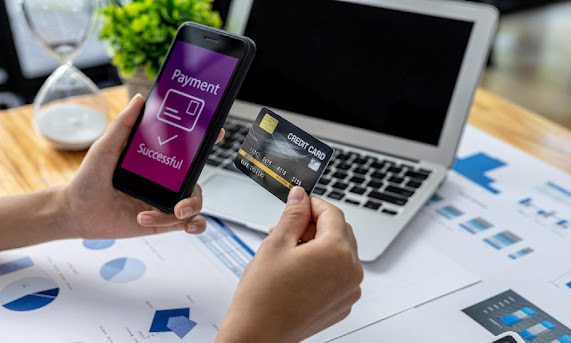
The Role of Online Payment Gateway Providers in the Growth of Startups

Starting a new business can be both exciting and challenging. One of the key challenges is managing payments efficiently. 

That's where payment gateway providers come into play. They help startups by providing a safe and easy way to accept payments online.

We'll explore how payment gateway providers contribute to the growth of startups and discuss the types of payment gateways available.

What is a Payment Gateway?

A payment gateway is a service that processes credit card payments for online and offline businesses. It acts as a bridge between a customer’s bank and the merchant’s bank, ensuring that the transaction is completed securely.

Why Payment Gateway Providers are Essential for Startups

Secure Transactions

Security is a top priority for any business, especially for startups that need to build trust with their customers. Payment gateway providers ensure that all transactions are secure. They use encryption to protect sensitive information like credit card details. This security helps prevent fraud and builds customer confidence.

Easy Integration

Most payment gateway providers offer easy integration with e-commerce platforms. This means that even if you don’t have technical expertise, you can still set up an online store and start accepting payments quickly. For startups, this ease of use is crucial because it saves time and resources.

Multiple Payment Options

Customers have different preferences when it comes to paying for goods and services. Some prefer using credit cards, while others might use digital wallets or bank transfers. Payment gateway providers support multiple payment options, making it easier for startups to cater to a wider audience.

Fast Processing

Customers expect quick transactions. Payment gateway providers process payments almost instantly, ensuring that customers don’t have to wait long. This speed enhances the shopping experience and can lead to higher customer satisfaction and repeat business.

Types of Payment Gateways

There are different types of payment gateways, each with its features and benefits. Here are the main types:

Hosted Payment Gateways

Hosted payment gateways redirect customers to the payment service provider’s (PSP) page to complete the transaction. After the payment is processed, customers are redirected back to the merchant’s site. This type of gateway is easy to set up and secure since the PSP handles the payment process.

Advantages:

  • Easy to set up

  • High level of security

  • Reduced PCI compliance burden

Disadvantages:

  • Less control over the customer experience

  • Additional steps in the payment process

Self-Hosted Payment Gateways

Self-hosted payment gateways allow merchants to collect payment information on their own website and then send it to the PSP for processing. This type of gateway offers more control over the customer experience.

Advantages:

  • Full control over the customer experience

  • Seamless integration with the website

Disadvantages:

  • Higher responsibility for security

  • Requires more technical knowledge

API Payment Gateways

API payment gateways provide an interface that allows merchants to integrate the payment gateway directly into their website or app. Customers can complete the payment process without leaving the merchant’s site.

Advantages:

  • Seamless customer experience

  • High level of customization

Disadvantages:

  • Requires technical expertise

  • Higher responsibility for security

Local Bank Integration Gateways

Local bank integration gateways are connected directly to local banks. This type of gateway is often used in regions where customers prefer bank transfers over credit card payments.

Advantages:

  • Direct integration with local banks

  • Preferred by customers who don’t use credit cards

Disadvantages:

  • Limited to specific regions

  • Less flexibility in payment options

How to Choose the Right Payment Gateway Provider

Choosing the right payment gateway providers is crucial for the success of your startup. Here are some factors to consider:

1. Security Features

Make sure the payment gateway provider offers robust security features, including encryption and fraud detection.

2. Ease of Integration

Look for a provider that offers easy integration with your existing e-commerce platform or website.

3. Payment Options

Choose a provider that supports multiple payment options to cater to a diverse customer base.

4. Transaction Fees

Compare the transaction fees of different providers to ensure you’re getting the best deal. Keep in mind that lower fees might come with fewer features.

5. Customer Support

Good customer support is essential, especially if you encounter issues with the payment gateway. Look for a provider with a reputation for excellent customer service.

6. Scalability

As your startup grows, your payment gateway should be able to handle increased transaction volumes. Choose a provider that can scale with your business needs.

7. Compatibility

Ensure that the payment gateway is compatible with your business’s technology stack. This includes your website, mobile app, and any other platforms you use to conduct transactions.

Conclusion

Payment gateway providers play a vital role in the growth of startups. They offer secure, fast, and flexible payment solutions that help businesses attract and retain customers. 

By understanding the different types of payment gateways and choosing the right provider, startups can ensure a smooth and successful payment process. 

This, in turn, contributes to their overall growth and success. Investing in a reliable payment gateway providers is an investment in your startup's future, paving the way for sustained growth and success in the competitive business landscape.

Keep following PayTabs for more!

Wednesday, 3 July 2024

Top Security Features of a Payment Link for Saudi Arabia

As the digital economy continues to expand globally, payment link for Saudi Arabia is witnessing a surge in e-commerce and online transactions.


This growth necessitates robust security measures to protect sensitive information and build trust among consumers. One of the pivotal components facilitating these transactions is the payment link.


We will explore the top security features of a payment link for Saudi Arabia, ensuring safe and seamless financial transactions.


SSL Encryption

The foundation of any secure online transaction is encryption, and Secure Sockets Layer (SSL) is at the forefront.


SSL encryption ensures that the data exchanged between the user's browser and the server is encrypted, making it nearly impossible for malicious actors to intercept and decipher the information.


When using a payment link for Saudi Arabia, the platform must utilize SSL encryption to protect users' personal and financial data.

Two-factor authentication (2FA)

Two-factor authentication (2FA) adds a layer of security by requiring users to verify their identity through two different components: something they know (password) and something they have (a smartphone or security token).


Implementing 2FA in payment link for Saudi Arabia ensures that even if a user's password is compromised, unauthorized access is still prevented.


Tokenization

Tokenization is a process where sensitive information, such as credit card numbers, is replaced with a unique identifier or token. This token has no exploitable value and cannot be reverse-engineered to access the original data. 


In the context of a payment link for Saudi Arabia, tokenization minimizes the risk of data breaches and ensures that sensitive information is never stored or transmitted in its original form.


PCI DSS Compliance

The Payment Card Industry Data Security Standard (PCI DSS) is a set of security standards designed to ensure that all companies processing, storing, or transmitting credit card information maintain a secure environment. 


Compliance with PCI DSS is critical for any platform offering payment link for Saudi Arabia, as it guarantees that the platform adheres to the highest standards of security and data protection.


Secure Payment Gateway Integration

A secure payment gateway acts as a bridge between the payment link for Saudi Arabia and the financial institutions involved in the transaction. It ensures that the payment data is securely transmitted and processed. 


The gateway should support encryption and other security protocols to safeguard the transaction data. When choosing a payment link for Saudi Arabia, ensure that it integrates with reputable and secure payment gateways.

Fraud Detection and Prevention

Fraud detection and prevention mechanisms are essential to protect against unauthorized transactions and fraudulent activities. Advanced fraud detection systems use machine learning algorithms and real-time data analysis to identify suspicious activities. 


For payment links in Saudi Arabia, these systems can help detect and mitigate fraud by flagging unusual patterns and behaviors, ensuring a secure transaction environment.

Regulatory Compliance

Saudi Arabia has its own set of regulations and standards governing financial transactions and data protection. Compliance with local regulations, such as the Saudi Arabian Monetary Authority (SAMA) guidelines, is crucial for any payment link provider. 


Adhering to these regulations ensures that the payment link for Saudi Arabia operates within the legal framework and offers a secure and trustworthy service to users.


User Authentication and Authorization

Effective user authentication and authorization processes are vital to ensure that only authorized users can access and use the payment link. 


This can include multi-level authentication protocols, role-based access controls, and secure login mechanisms. Implementing robust authentication and authorization measures helps prevent unauthorized access and ensures that only legitimate transactions are processed.


Data Encryption at Rest

While encryption during data transmission is essential, encrypting data at rest is equally important. This means that all sensitive information stored on servers is encrypted, ensuring that even if the data is compromised, it cannot be read or used by unauthorized parties. Payment link for Saudi Arabia should employ encryption at rest to protect stored data.

Regular Security Audits and Penetration Testing

Regular security audits and penetration testing are crucial to identifying and addressing vulnerabilities in the payment link platform. 


These proactive measures involve simulating cyber-attacks to test the system's defenses and ensure that any potential security gaps are identified and rectified. For a payment link in Saudi Arabia, regular audits and tests help maintain the integrity and security of the platform.

Secure APIs

Application Programming Interfaces (APIs) are integral to the functioning of payment links, facilitating communication between different software components. Secure APIs protect data exchanged between systems from unauthorized access and tampering. 


Secure APIs with strong authentication, encryption, and monitoring can prevent potential vulnerabilities. For a payment link in Saudi Arabia, ensuring API security is crucial to maintaining transaction integrity and confidentiality.

Conclusion

The rapid growth of online transactions and a payment link for Saudi Arabia underscores the need for secure payment solutions.


By incorporating these top security features SSL encryption, two-factor authentication, tokenization, PCI DSS compliance, secure payment gateway integration, fraud detection and prevention, regulatory compliance, user authentication, and authorization, data encryption at rest, and regular security audit payment links can offer a safe and reliable method for conducting financial transactions.


As consumers become more aware of the importance of security, leveraging these features will not only protect sensitive information but also build trust and confidence in the digital payment ecosystem in Saudi Arabia.


Follow PayTabs for more updates!

Wednesday, 29 May 2024

Driving Sales with Oman Payment Gateway

The ease and security of payment processing have emerged as pivotal factors influencing customer satisfaction and, consequently, sales figures. Among the array of technological advancements facilitating seamless transactions, Oman Payment Gateway stands out as a beacon of reliability and efficiency.


In tandem with offering multiple payment options, it not only streamlines the checkout process but also enhances trust and convenience for both businesses and consumers.


The Rise of Oman Payment Gateway

Oman Payment Gateway represents a significant stride towards enhancing the digital infrastructure of the Sultanate of Oman. As the nation progresses towards a more digitally inclusive economy, this gateway emerges as a cornerstone, facilitating online transactions securely and efficiently.

Its integration into e-commerce platforms provides businesses with a vital tool to tap into the burgeoning digital market, both domestically and internationally.

One of the standout features of Oman Payment Gateway is its robust security protocols. With the ever-looming threat of cyber-attacks and data breaches, ensuring the safety of online transactions is paramount.

The Oman Payment Gateway employs state-of-the-art encryption technologies, safeguarding sensitive financial information and instilling confidence in customers regarding the security of their data.

This heightened sense of security fosters trust between businesses and consumers, consequently driving sales as hesitant customers are more inclined to complete purchases.

Streamlining Transactions with Multiple Payment Options

While Oman Payment Gateway serves as the backbone of secure online transactions, the integration of multiple payment options further enhances its efficacy in driving sales.

Recognizing the diverse preferences of consumers, offering a variety of payment methods caters to individual needs and preferences, thereby reducing cart abandonment rates and expanding the customer base.

From traditional credit and debit cards to digital wallets and bank transfers, providing multiple payment options empowers customers with flexibility and convenience during the checkout process.

For instance, while some customers prefer the convenience of digital wallets like PayPal or Apple Pay, others may opt for the familiarity of credit card payments. By accommodating these varied preferences, businesses can ensure a frictionless purchasing experience, thereby maximizing sales potential.

Moreover, the availability of multiple payment options extends beyond geographical boundaries, enabling businesses to cater to a global audience. For international customers, offering region-specific payment methods eliminates barriers to purchase, thereby fostering a sense of inclusivity and accessibility.

This inclusivity not only drives sales but also enhances the brand reputation as a customer-centric enterprise committed to providing seamless transaction experiences.

The Impact on Sales Performance

The symbiotic relationship between Oman Payment Gateway and multiple payment options is evident in its tangible impact on sales performance. By streamlining the checkout process and instilling confidence in the security of transactions, businesses witness a significant reduction in cart abandonment rates.

Customers are more likely to follow through with their purchases when presented with a seamless and secure Oman Payment Gateway experience, thereby translating into higher conversion rates and increased revenue generation.

Furthermore, the integration of multiple payment options opens doors to new markets and customer segments. As businesses expand their reach both domestically and internationally, they tap into previously untapped consumer demographics, thereby diversifying their customer base.

This diversification not only mitigates risks associated with market saturation but also fuels sustainable growth by unlocking new avenues for revenue generation.

Conclusion

The role of Oman Payment Gateway and multiple payment options cannot be overstated. Oman Payment Gateway like PayTabs with its robust security protocols and seamless transaction capabilities, catalyzes driving sales and fostering growth in the digital economy of Oman.

When coupled with a diverse range of payment methods catering to varied consumer preferences, businesses unlock the full potential of online transactions, thereby maximizing sales performance and enhancing customer satisfaction.

In essence, the synergy between Oman Payment Gateway and multiple payment options not only simplifies the checkout process but also cultivates trust, inclusivity, and accessibility in the realm of e-commerce.

As businesses embrace this paradigm shift towards digital transactions, they position themselves at the forefront of innovation, poised to capitalize on the boundless opportunities of the digital age.


Tuesday, 7 May 2024

TAPn’GO Brings Good News for Restaurants in the UAE

TAPn’GO QR platform is leveraging advanced technology to simplify the checkout experience for guests and benefit restaurant businesses. 

How TAPn’GO Transforms Dining Experiences 

Guests can:

  • Order from digital menus

  • Check bills on smartphones 

  • Settle bills securely and quickly 

  • Pay in full or split the bill

  • Add tips for servers

  • Receive payment receipts on email

  • Follow restaurants on social media

  • Post reviews on Google and other platforms

  • Pay via credit cards / Apple Pay / Google Pay

How TAPn’GO Benefits Restaurants 

  • Direct POS integration and instant payment notification

  • Reasonable fees for using TAPn’GO

  • Minimal friction due to malfunctioning card machines / server interaction 

  • Eco-friendly brand positioning due to paperless technology usage 

  • Improved brand awareness, engagement, traffic, and revenue due to customer reviews

  • In-depth analytics and report generation for informed decision-making

Advantages for Other Businesses 

  • Food courts: No need to swipe cards repeatedly 

  • Food trucks: Easy bill-splitting and no need for multiple transactions

  • Vending machines: No need to carry cash or local currency

  • Lounges / Clubs: Instant notifications for guest calls, guest orders, payments 

PayTabs’ TAPn’GO helps you to succeed in the UAE’s hospitality sector by boosting customer satisfaction, improving operational efficiency, and reducing costs. 
Read more - https://site.paytabs.com/en/tapngo-qr-platform-shaping-restaurant/


Wednesday, 17 April 2024

Pros and Cons of Different Ecommerce Payment Methods

 With the UAE's e-commerce market poised to reach USD 17 billion by 2025, understanding the diverse payment methods available is crucial for merchants and consumers alike. From traditional debit and credit cards to innovative buy now pay later models, here's everything you need to know about e-commerce payment options in the UAE.

Read more - https://site.paytabs.com/en/pros-and-cons-ecommerce-payment-methods/

Tuesday, 16 April 2024

The Evolution of Digital Onboarding Technologies

The concept of onboarding has transcended its traditional roots and entered the realm of the virtual. With businesses increasingly embracing digital platforms for customer acquisition and engagement, the evolution of digital onboarding technologies has become paramount. 


At the heart of this evolution lies the seamless integration of payment gateways, serving as the gateway to a myriad of online services and transactions. 


Let's embark on a journey through the fascinating evolution of digital onboarding technologies, with a particular focus on the diverse types of payment gateways shaping our digital experiences.

Understanding Digital Onboarding

Before delving into the intricacies of payment gateways, it's essential to grasp the concept of digital onboarding. Digital onboarding refers to the process of integrating new users into a digital platform or service, often involving registration, identity verification, and account setup. 


Traditionally confined to physical interactions or paper-based documentation, the advent of digital onboarding has revolutionized how businesses interact with their customers, enabling seamless and efficient onboarding experiences across various digital channels.

Types of Payment Gateways

Traditional Payment Gateways


Traditional payment gateways, such as PayPal and Stripe, remain the cornerstone of online commerce. 


These gateways enable businesses to accept credit and debit card payments securely, providing essential features such as fraud detection, encryption, and PCI compliance. 


While traditional gateways excel in processing card transactions, they may lack support for emerging payment methods and international transactions.

Mobile Wallets and NFC Payments


With the proliferation of smartphones, mobile wallets have emerged as a popular alternative to traditional payment methods. 


Gateways like Apple Pay, Google Pay, and Samsung Pay leverage Near Field Communication (NFC) technology to enable contactless payments, offering convenience and security to users. 


Integrating mobile wallet support into digital onboarding processes enhances user experience and caters to the preferences of mobile-centric consumers.

Cryptocurrency Gateways


As cryptocurrencies gain mainstream acceptance, specialized payment gateways have emerged to facilitate crypto transactions. 


Integrating cryptocurrency gateways into digital onboarding processes appeals to tech-savvy consumers and promotes financial inclusivity in the digital economy.

Bank Transfers and Direct Debits


Beyond card-based payments, some payment gateways offer support for bank transfers and direct debits, enabling customers to initiate transactions directly from their bank accounts. 


These gateways streamline recurring payments, subscription billing, and bank-to-bank transfers, catering to businesses operating in subscription-based or service-oriented industries.

Global Payment Gateways


In an increasingly interconnected world, global payment gateways play a vital role in facilitating cross-border transactions and international commerce. 


These gateways support multi-currency payments, localized payment methods, and compliance with regional regulations, empowering businesses to expand their reach and tap into global markets. 


Incorporating global payment gateways into digital onboarding processes enhances accessibility and removes barriers to entry for international customers.

The Future of Digital Onboarding Technologies


As digital onboarding technologies continue to evolve, several emerging trends are poised to shape the future of online commerce:

Biometric Authentication


Leveraging biometric authentication methods such as fingerprint scanning, facial recognition, and voice recognition enhances the security and convenience of digital onboarding processes.

Artificial Intelligence and Machine Learning


Integrating AI-driven solutions into payment gateways enables real-time fraud detection, personalized user experiences, and predictive analytics to optimize transaction processing and mitigate risks.

Blockchain and Decentralized Finance (DeFi)


The adoption of blockchain technology and decentralized finance protocols facilitates peer-to-peer transactions, smart contracts, and tokenized assets, revolutionizing the way financial transactions are conducted online.

Augmented Reality (AR) and Virtual Reality (VR)


Immersive technologies like AR and VR can enhance the onboarding experience by providing interactive tutorials, virtual tours, and product demonstrations, fostering deeper user engagement and brand loyalty.


Conclusion


The evolution of digital onboarding technologies represents a paradigm shift in how businesses engage with their customers in the digital age. 


From the humble beginnings of payment gateways to the frontier of biometric authentication and blockchain technology, the journey of digital onboarding is marked by innovation, efficiency, and inclusivity. 


By embracing diverse types of payment gateways and staying abreast of emerging trends, businesses can unlock new growth opportunities, enhance customer experiences, and thrive in an increasingly digitized world. 


As we navigate this ever-changing landscape, one thing remains clear – the evolution of digital onboarding is far from over, and the possibilities are limitless.


Keep following PayTabs for more!